

Why Architecture should make you feel something.
The Emotional Power of Space
We rarely remember the exact dimensions of a room. Yet, we often remember how it felt.
The softness of morning light across the kitchen bench. The quiet comfort of a sheltered courtyard on a warm afternoon. The sense of calm that arrives when a space simply works, intuitively and effortlessly.
Architecture shapes these experiences long before we consciously register them. It influences how we move, how we gather, how we rest and how we connect. If a home is where life unfolds, then the way it feels matters as much as the way it looks.
We strongly believe architecture should make you feel something. Not through superfluous design, but instead we find it is best achieved through subtle and intentional design decisions.
Architecture as Emotional Language
Architecture communicates
Light influences mood and energy. Northern light brings warmth and vitality during winter months. Soft, filtered light in the afternoon encourages calm. Harsh glare or poorly oriented glazing can create discomfort that lingers beneath the surface of daily life.
Materiality shapes our sensory experience. Timber carries warmth and familiarity. Brick grounds a home with permanence. Concrete can feel solid and protective when balanced thoughtfully. The materials we touch and see each day quietly influence our sense of comfort and belonging.
Proportion and scale affect how we respond physically and emotionally. Spaces that are too large can feel disconnected. Spaces that are compressed and then open into light create rhythm and relief. The sequencing of rooms guides how we experience a home.
Movement and flow determine whether daily life feels intuitive or chaotic. When circulation is clear and considered, a home feels calm even during busy periods. When it is unresolved, friction builds.
Connection to nature is fundamental. Views to greenery, access to breezes and visual links to landscape regulate our nervous systems in ways that are instinctive. This is not trend-driven design. It is human-centred design.

Our environments influence stress levels, cognitive clarity and overall wellbeing.
Overheated interiors increase fatigue and irritability. Poor ventilation diminishes comfort. Excessive noise and visual clutter elevate tension. In contrast, spaces with access to daylight, natural airflow and considered acoustic control promote calm and restoration.
Sustainability plays a critical role here. Passive design principles are about comfort and experience. When a home interacts intelligently with climate, harnessing winter sun, shading summer heat and encouraging cross ventilation, it feels better to inhabit.
A sustainable home is not simply environmentally responsible, it is emotionally supportive.
When Homes Fail to Consider Feeling
Many contemporary homes prioritise how they look over how they are experienced.
Oversized open-plan spaces may appear generous but can feel acoustically harsh and emotionally disconnected. Kitchens become overloaded during gatherings because zoning has not been considered. Poor orientation leads to rooms that are either underlit or overheated.
Bigger does not necessarily mean better.
We often see homes that remain underutilised for most of the year yet struggle to expand gracefully during peak moments. Without thoughtful planning, scale can create emptiness rather than generosity.
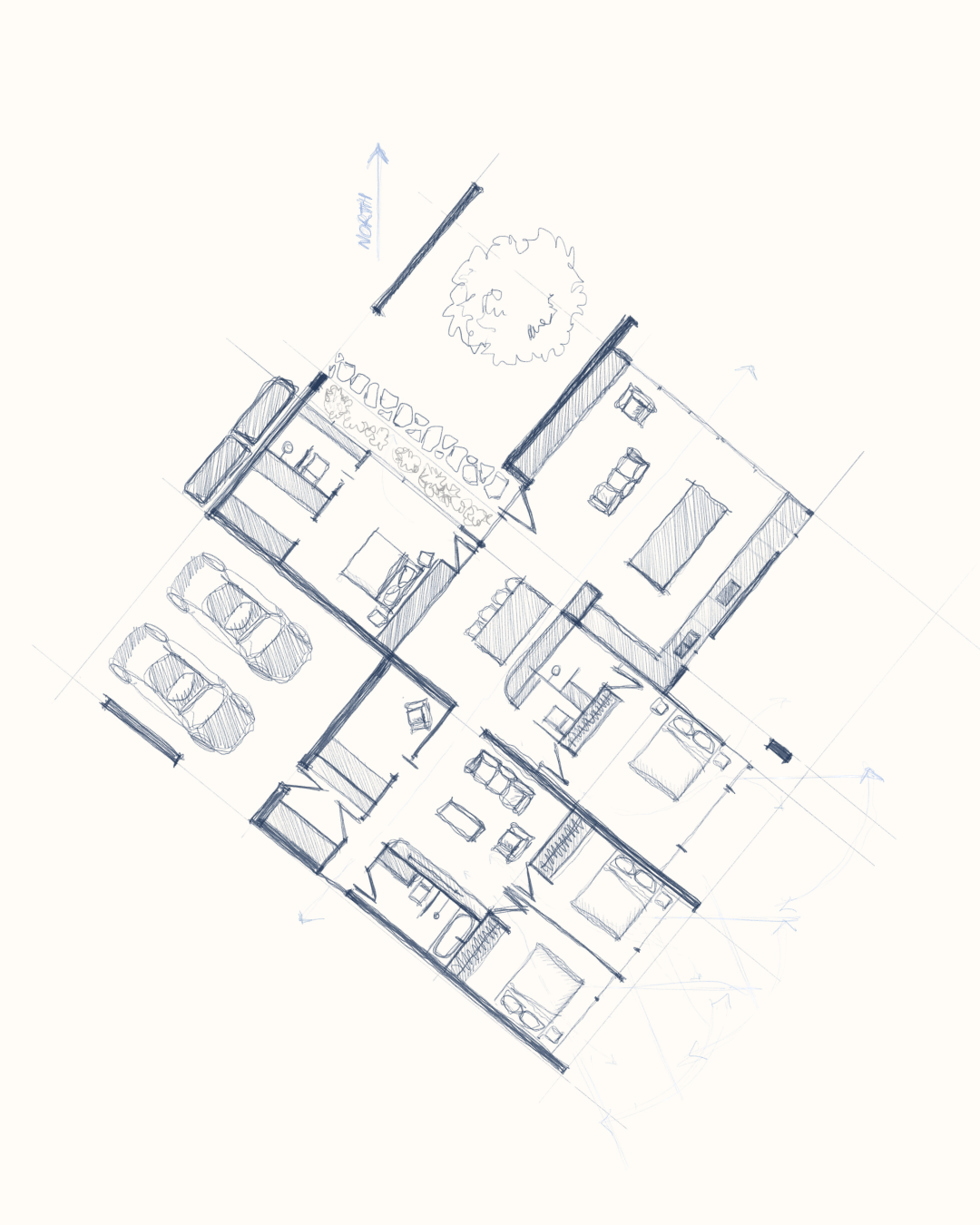
Our project, Brick Brumby, illustrates how emotional experience can guide architectural decisions.
The site presented a particular challenge. A north-facing front yard offered valuable natural light, yet the family required privacy and safety, especially with young children. The solution was not to turn away from the north, but to respond thoughtfully.
Angled hit and miss brickwork walls were introduced to provide privacy while still allowing filtered light and airflow. This strategy enabled the family to enjoy their front yard as a usable, protected space rather than a display zone exposed to the street.
The rear carport removed vehicles from the immediate play areas, ensuring safety without compromising access. The home captures northern light while framing views to established trees to the east, grounding the interior experience in landscape.
Passive design principles were embedded throughout. Orientation, shading and ventilation were considered from the outset. The result is a home that feels secure yet open, private yet connected, protective yet light-filled.
Brick Brumby does not rely on size for impact. It relies on clarity of response to site, climate and family life. The emotional outcome is subtle but powerful. The home feels safe, calm and intuitively suited to its occupants.
Ultimately, the success of a home is measured not in square metres but in belonging.
Does it support your routines?
Does it adapt during gatherings?
Does it feel calm during quiet moments?
Does it protect you from environmental extremes while remaining connected to landscape?
When architecture is aligned with lifestyle, site and sustainability, belonging follows naturally. The home becomes a framework for memory, ritual and identity.
This alignment does not happen by accident. It requires reflection before design begins. It requires understanding how you want to feel within your own home.
A Thoughtful Invitation
If you are considering a renovation or new build, it may be worth asking a different question.
Not just what do you want your home to look like, but how do you want it to feel?
If you would like guidance in exploring that question, we invite you to join our complimentary Find Your Why series. Across ten days, we share insights gathered over more than a decade of designing homes for families, helping you clarify how your home can better support the way you live.
Architecture should make you feel something. The right questions are where that journey begins.