

Designing homes that perform during the Festive Season: Creating spaces that support comfort and connection.
The festive season brings with it a unique rhythm. Homes that feel calm and perfectly functional for most of the year are suddenly asked to work harder.
There are more people, more meals, more movement and more moments of connection.
For many families across Australia, the holidays highlight exactly how well their home performs, or the limitations they wish they had addressed years earlier.
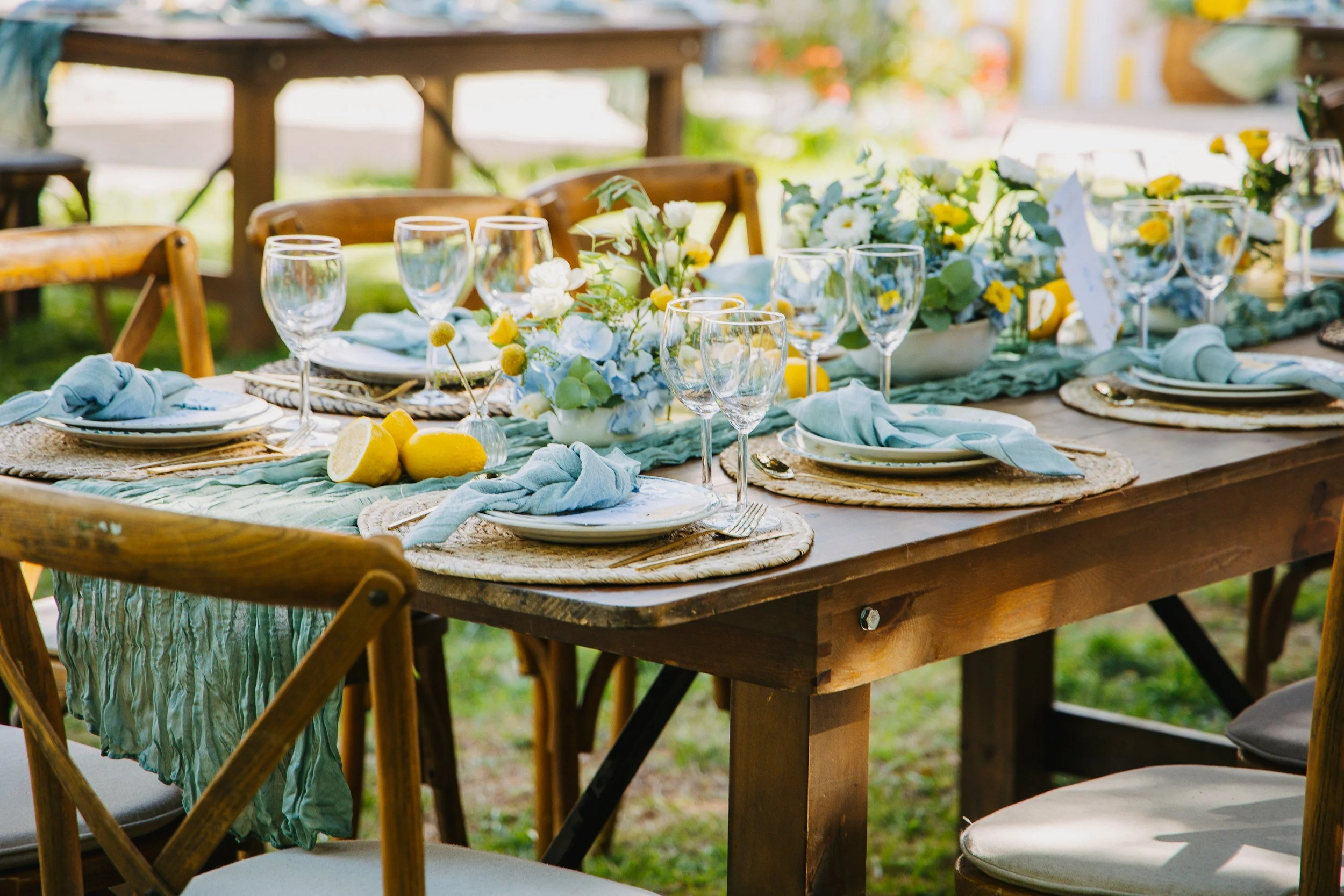
At Cooper & Blake, we design homes that are grounded in 'quality over quantity', where every space has purpose and every detail supports the way you live. The festive season becomes a powerful lens into how architecture shapes comfort and connection, especially in coastal regions where heat, wind and light play a defining role.
This article explores how thoughtful design enhances home performance during the busiest time of the year, with insights drawn from over a decade of designing homes for Australian families.
Designing for the Festive Season begins long before December.
A home that performs during the festive season is not one that is simply bigger, but instead one that is intentional. It uses spatial clarity, passive design, kitchen zoning and indoor to outdoor flow to make gatherings feel effortless rather than overwhelming. It balances everyday living with seasonal demands without requiring unnecessary space that sits empty for most of the year.
For many clients, the festive season becomes the ultimate stress test. Homes that are poorly oriented, dark, overheated or disconnected from the outdoors reveal these issues sharply in summer. Kitchens become overloaded. Indoor spaces struggle to cool down. Entertaining areas fall short because circulation feels tight or poorly planned.
While it may seem like a seasonal challenge, the foundations of a responsive festive-season home begin with good architecture.
1. Indoor to outdoor flow for hosting and relaxation.
Connection to the outdoors is essential for Australian living, and this becomes even more valuable when hosting family and friends. A well-considered indoor to outdoor flow creates variety, expands usable space and gives people the freedom to gather or retreat as needed.

We design transition points that feel natural rather than forced. Sliding or bifold doors, courtyards, verandahs and operable windows work together to expand the living space without overbuilding. These elements also allow breezes to move freely throughout the home, enhancing summer comfort.
Our project Munday in the Hamptons is an example of how seamless flow supports effortless entertaining. The dining and living areas extend directly into a protected courtyard space that feels both calm and connected. By giving occupants visual and physical access to the outdoors, gatherings feel more spacious and guests naturally disperse rather than cluster in one area.
2. Passive cooling and heating that supports summer comfort.
Homes that are uncomfortable during heatwaves often lack three essential components: orientation, thermal mass and targeted shading. During the festive season, when temperatures can quickly climb, passive systems become critical for maintaining comfort without relying entirely on mechanical cooling.
Through early site analysis, we use the sun and prevailing winds as design tools that support the way a home performs. Northern light is welcomed and moderated, meanwhile West exposures are shielded. Cross-ventilation paths are mapped early in the floor plan, not added as an afterthought. Shading is integrated into the architecture rather than treated as a functional accessory.
The result is a home that feels naturally cooler and more comfortable on hot summer days. During the festive season, this becomes one of the most valuable qualities a home can offer.
3. Kitchen zoning for high-use, high-interaction periods.
Kitchens become the heart of the home during the holiday period. They carry the weight of increased cooking, multiple hands, overlapping tasks and constant movement. Rather than enlarging the kitchen, we focus on zoning it. This ensures the kitchen supports both everyday living and peak holiday use.

Effective kitchen zoning includes:
Defined separation between prep, cooking and serving areas
Clear access to outdoor dining spaces
Practical working distances that support collaboration rather than congestion
Intuitive circulation paths that prevent bottlenecks
Proximity to secondary storage such as butler’s pantries or utility spaces
In Munday in the Hamptons, the kitchen was designed with considered workflow. The layout encourages conversation, movement and shared preparation without compromising efficiency. It becomes a hosting hub that brings people together while remaining highly functional.
Quality over quantity: Designing hardworking homes.
A well-performing festive-season home does not need to be significantly larger. Instead, it must be purposeful. We focus on designing multifunctional spaces that adapt throughout the year and expand naturally during peak seasons. This could be:
A flexible dining area that grows with the gathering
Built-in seating or daybeds that offer overflow capacity
Courtyards or verandahs that become outdoor rooms
Living spaces positioned to catch summer breezes
The result is a home that feels generous when it needs to be, without sacrificing intimacy or comfort during everyday life.

Hosting, comfort and the feeling of belonging.
Ultimately, the festive season offers something more meaningful than tasks and to-do lists. It reminds us that homes are emotional spaces. They are containers for memories, connection and the rituals that bring people together.
When a home is designed to support these moments, it becomes a place where people feel welcomed, comfortable and considered. Architecture shapes belonging, not by its size, but through the way spaces encourage interaction, provide comfort and create ease.
Begin planning a home that performs all year round.
If you are beginning to imagine a home that supports both everyday living and the festive season, clarity is the best place to start.
Our free 10 Emails in 10 Days series filters over a decade of architectural insight into simple steps that help you rethink how your home can support the way you live.