

The Homes We Never Forget
Why certain homes stay with us long after we leave
There are some homes we remember long after we have left them, not because they were the largest or the most expensive, or because they were architecturally perfect.
What stays with us is usually something more subtle; a feeling, a memory held within a space.
Perhaps it is sitting beside a fire while heavy rain moves across expansive glazing, the landscape beyond dissolving into mist and bushland. Perhaps it is a dimly lit dining space wrapped in rich timbers, where hours disappear between shared meals, wine and conversation. Or maybe it is a wide verandah beneath grapevines in the middle of summer, children moving between the garden and plunge pool while family gathers around a long outdoor table.
When we reflect on the homes that have shaped us, it is often the people and experiences we remember most vividly. However, architecture is what allowed those moments to exist so effortlessly in the first place, the home became the facilitator for connection.
Architecture as the backdrop to life
Good architecture rarely demands constant attention, instead, it should subtly support the way we live.
Intentional design considers how light enters a room at the end of the day, how spaces unfold as you move through them. It shapes how a home can feel expansive in one moment and deeply comforting in the next.
Some of my favourite homes reveal themselves slowly, a compressed hallway that opens unexpectedly into a light-filled living space. A framed glimpse to garden that draws you forward. A sheltered reading nook tucked beside a window seat.
Others have made a statement immediately with vaulted ceilings, expansive glazing and a view that momentarily stops you in place.
Neither approach is inherently better, what I want to focus on is knowing how those spaces make us feel. Volume, light, materiality and proportion all influence the emotional experience of a home. These details shape atmosphere, and atmosphere is often what remains long after the memory itself begins to soften.
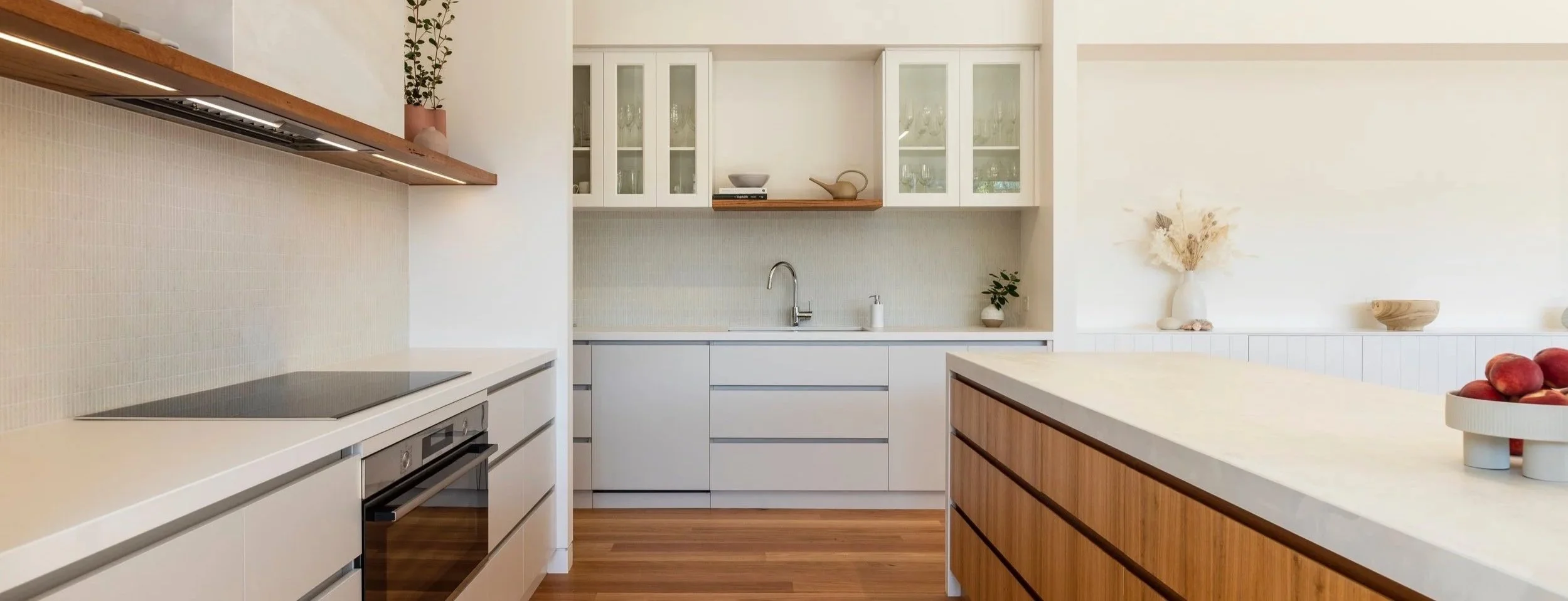
The homes that feel human
Many contemporary homes are designed from a place of caution.
Owners keep the design safe for resale…trends...broad appeal.
As a result, homes can become disconnected from the individuality of the people living within them. They are often designed independent of site, climate and lifestyle, repeating the same formula regardless of orientation, landscape or context. We see this particularly in off-the-plan housing and highly trend-driven interiors. You can notice that spaces become flatter, more neutral. Yet we know human beings naturally seek connection. Connection to place, to memory, to one another.
Architecture has the ability to support that deeply human need when it is approached intentionally.
The homes we remember have a sense of identity, in that they respond to climate and landscape. They create opportunities for ritual and gathering. They allow people to exist comfortably together while still offering moments of retreat.
The most important factor is that they feel lived in rather than styled.
Quality over quantity
At Cooper & Blake, we often speak about designing homes that work harder rather than simply becoming larger. Some of the most memorable homes we have worked on, including projects such as Thisledoo and Brick Brumby, are relatively compact in footprint. Rather than allocating budget toward unnecessary scale, the focus was placed on creating meaningful moments within the home.
Spaces designed for conversation, connection to garden, meaningful natural light and passive comfort.
Homes that support real life rather than perform for appearance. This approach often creates homes with far greater emotional longevity. They feel grounded in the lives unfolding within them because every decision has been made with their way of living in mind.
The role of memory in design
Perhaps this is why certain homes stay with us, because we experienced life within them fully.
The architecture became intertwined with the memory itself.
And while architecture alone cannot create meaningful lives, it can create the conditions for meaningful moments to happen more naturally and more often.
As architects, we believe this matters because the best homes are rarely those designed purely for photographs, trends or resale value. They are the homes that continue to support and hold the people within them over time.
A thoughtful beginning
If you are considering building or renovating, the most important question is rarely what should the home look like?
Instead, it is often:
How do we want to live?
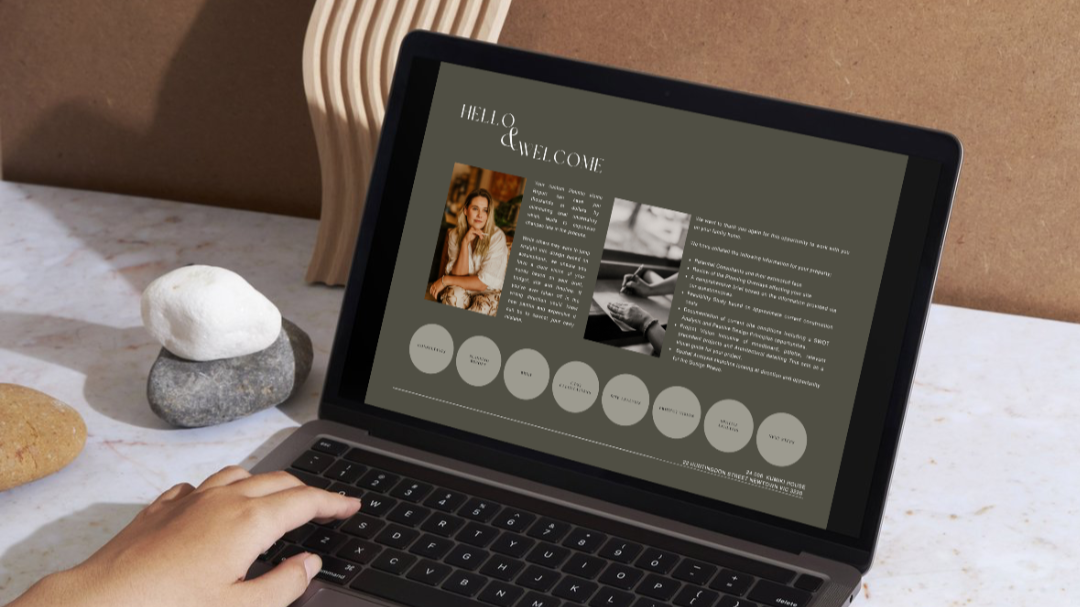
Our Holistic Home Report helps homeowners explore this question before design begins. Through detailed pre-design planning, lifestyle analysis and site understanding, we help uncover the foundations of a home that feels aligned not only with your needs, but with the life you hope to create within it.
We know the most memorable homes are not accidental, they are intentionally designed to support the moments that matter most.